EU Solar Growth Hinges on Grids, Storage, and Flexibility
The European solar market is entering a more mature phase, with the focus shifting from simply adding installed capacity to integrating solar efficiently into the electricity system.
In an interview with Benita Dreesen, solar editor at OPIS by Dow Jones Energy, Antonio Delgado Rigal, founder and CEO of AleaSoft Energy Forecasting, discusses the outlook for European solar over the next three to five years, the growing impact of solar cannibalization and negative prices, and the increasing role of batteries and other flexibility solutions.
OPIS: How will the European solar market evolve over the next three to five years?
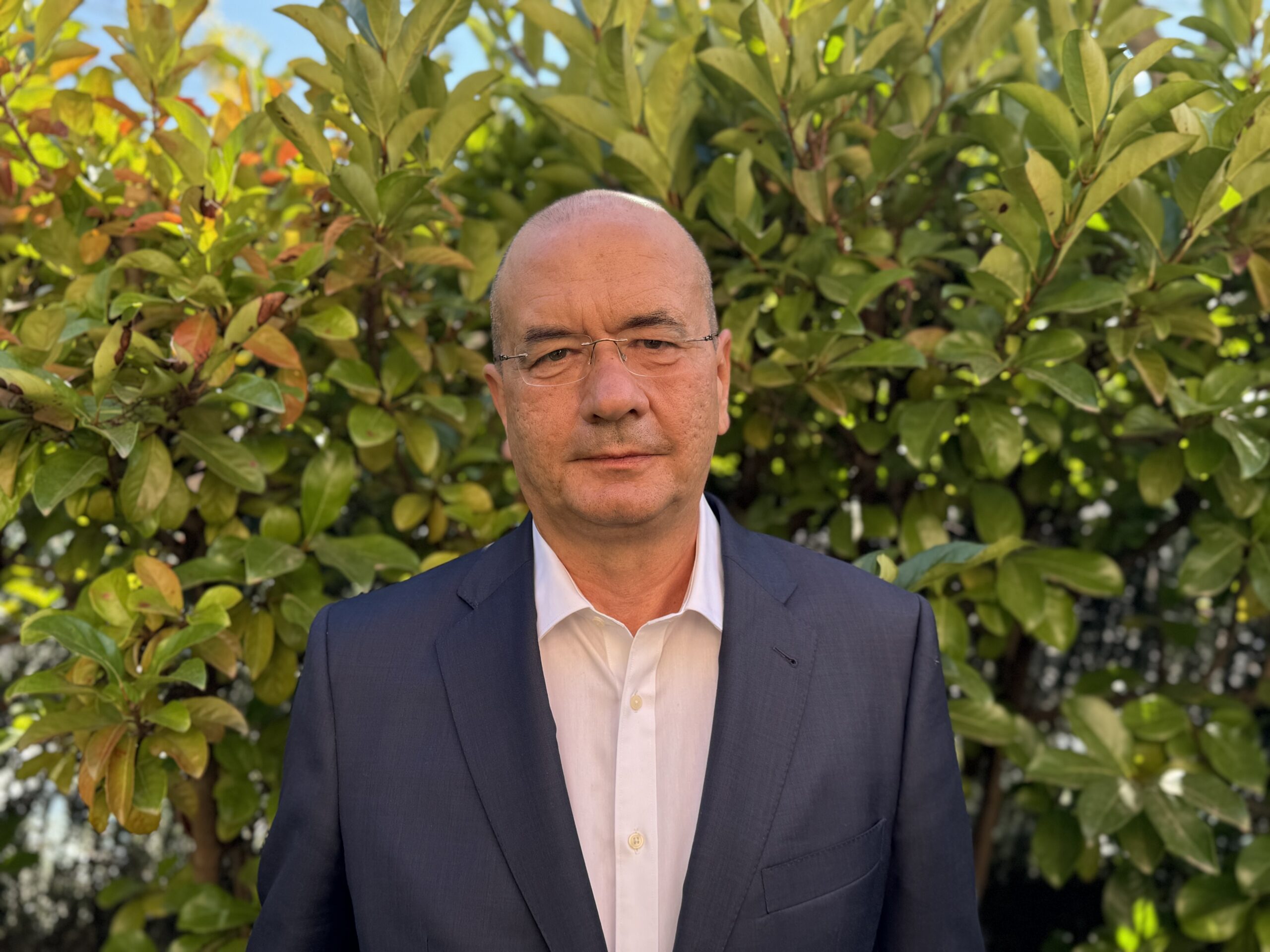 Rigal: The European solar market will continue to expand over the next three to five years, but the era of uninterrupted double-digit growth is over. The market is entering a more mature phase in which simply adding installed capacity will no longer be enough.
EU annual solar installations fell slightly in 2025 for the first time in almost a decade. The slowdown was driven mainly by weaker residential and commercial rooftop demand, while utility-scale solar proved more resilient. Conditions are also becoming more challenging for large projects, as grid congestion, curtailment, more frequent negative prices and falling captured prices are now affecting project economics and bankability.
The main challenge is shifting from the cost and availability of solar technology to its integration into the electricity system. Grid capacity, permitting, storage, electricity demand and the ability of projects to maintain
attractive captured prices will determine the pace of deployment.
Solar will remain one of the main pillars of the European energy transition, but its next phase of growth will be closely linked to storage, flexible demand, stronger grids and interconnections.
OPIS: How will solar cannibalization (falling electricity prices as more solar generation enters the market) and negative prices (periods when generators pay to supply electricity) affect project economics?
Rigal: Solar cannibalization is no longer a future risk. It is already becoming a structural feature of European markets with high photovoltaic penetration, and its importance will increase as more solar capacity is added.
When large volumes of solar generation enter the market at the same time, prices fall precisely during the hours when photovoltaic plants are producing. This increases the frequency of very low, zero or negative prices and, more importantly for investors, reduces the price captured by solar generation.
This does not mean that solar will cease to be profitable. What is changing is the economics of a pure merchant solar project. Investors and lenders now need to look beyond the average market price and understand hourly price profiles, captured prices, curtailment and volatility over the full lifetime of the asset.
This makes robust long-term forecasts of market prices and captured prices more important for financing decisions. It also increases the value of PPAs, hybridization with batteries and other strategies that reduce exposure to low-price solar hours.
Cannibalization is therefore not the end of the solar business model. It is one of the forces transforming it.
OPIS: How important will storage become for Europe’s solar growth?
Rigal: Storage will be essential for Europe to continue integrating solar generation efficiently.
Batteries are particularly well suited to the daily solar profile. They can store electricity when photovoltaic production is high and prices are low and release it during higher-value periods. This can reduce curtailment, improve captured prices and create additional revenues from other electricity markets and system services.
Solar-plus-storage will therefore become more important, especially in markets with high photovoltaic penetration. But not every solar plant will necessarily need a battery, and storage revenues cannot be taken for granted. The key is not simply adding a battery, but optimizing its size, duration and operating strategy for each project and market. The optimum configuration depends on market prices, grid constraints, connection capacity, battery costs, degradation and the revenues available in each market.
Batteries will also be only part of the solution. Pumped hydro, demand response, interconnections and other forms of flexibility will all be necessary.
OPIS: What is the biggest bottleneck to further solar growth, and will demand keep up?
Rigal: Today, grids and connection capacity are probably the most immediate bottleneck, but the broader challenge is system integration.
Grids and connection capacity are among the most visible constraints. Europe needs more transmission and distribution capacity, stronger interconnections and investment, which anticipate future renewable generation and electricity demand rather than reacting only after congestion appears.
Storage and other flexibility solutions will also be important to absorb periods of high renewable generation, reduce curtailment and shift electricity to hours when it has greater value. But expanding grids and storage alone will not solve the problem. Electricity demand also needs to grow and become more flexible.
There is significant potential for electrification in transport, industry and heating, while data centres and renewable hydrogen could provide additional sources of demand. The location and flexibility of this new demand will also matter. New consumption does not automatically solve renewable integration problems if it appears far from areas with abundant generation and the network cannot efficiently transport the electricity.
I expect European electricity demand to grow, but the key question is whether it will grow quickly enough and in the right places. Generation, grids, storage and demand therefore need to develop in a coordinated way.
OPIS: What needs to change for the EU to deliver on its 2030 targets?
Rigal: The EU has established a clear direction. The main challenge now is implementation and speed.
Europe needs not only more renewable projects, but also the infrastructure and market conditions that allow those projects to create value. Grid investment and permitting need to accelerate, interconnections need to expand, and storage and demand-side flexibility need to participate efficiently in electricity markets.
Electrification also needs to accelerate. Renewable electricity can help European industry become more competitive and reduce dependence on imported fossil fuels, but the right conditions are needed to electrify transport, industrial processes and heating.
There is also a financing challenge. As electricity markets become more volatile and captured prices come under pressure, investors need robust and bankable frameworks. PPAs and other long-term contracting mechanisms will remain important, but their structures need to reflect profile risk, negative prices and the growing value of flexibility.
Europe already has many of the necessary instruments, but the pace of implementation is not yet sufficient. Bankability is becoming a market design issue as well as a financing issue.
OPIS: How will the European solar business model evolve by 2030?
Rigal: Yes. I think this will be one of the most important changes before 2030.
For many years, the renewable business model was mainly about installing megawatts and maximizing production. In a system with much higher renewable penetration, the value of electricity depends on when it is produced, when it is consumed and how flexible the asset is.
The focus is shifting from the megawatt installed to the megawatt-hour optimized.
In practice, this means greater hybridization with batteries, more sophisticated participation in electricity markets, more flexible PPA structures and closer interaction between renewable generation and large electricity consumers. Industry, data centers and other new sources of demand can become important for renewable projects, particularly when consumption can adapt to periods of abundant generation.
Pure solar projects will continue to make sense, particularly in markets with lower photovoltaic penetration and healthy captured prices. But in more mature solar markets, investors will need to consider the complete revenue profile of the asset rather than simply how much electricity it can generate.
By 2030, competitive advantage will depend not only on who can build renewable capacity at the lowest cost, but also on who can best forecast prices, manage flexibility and optimize the value of the energy produced.